


Some error occured while loading the Quick View. Please close the Quick View and try reloading the page.
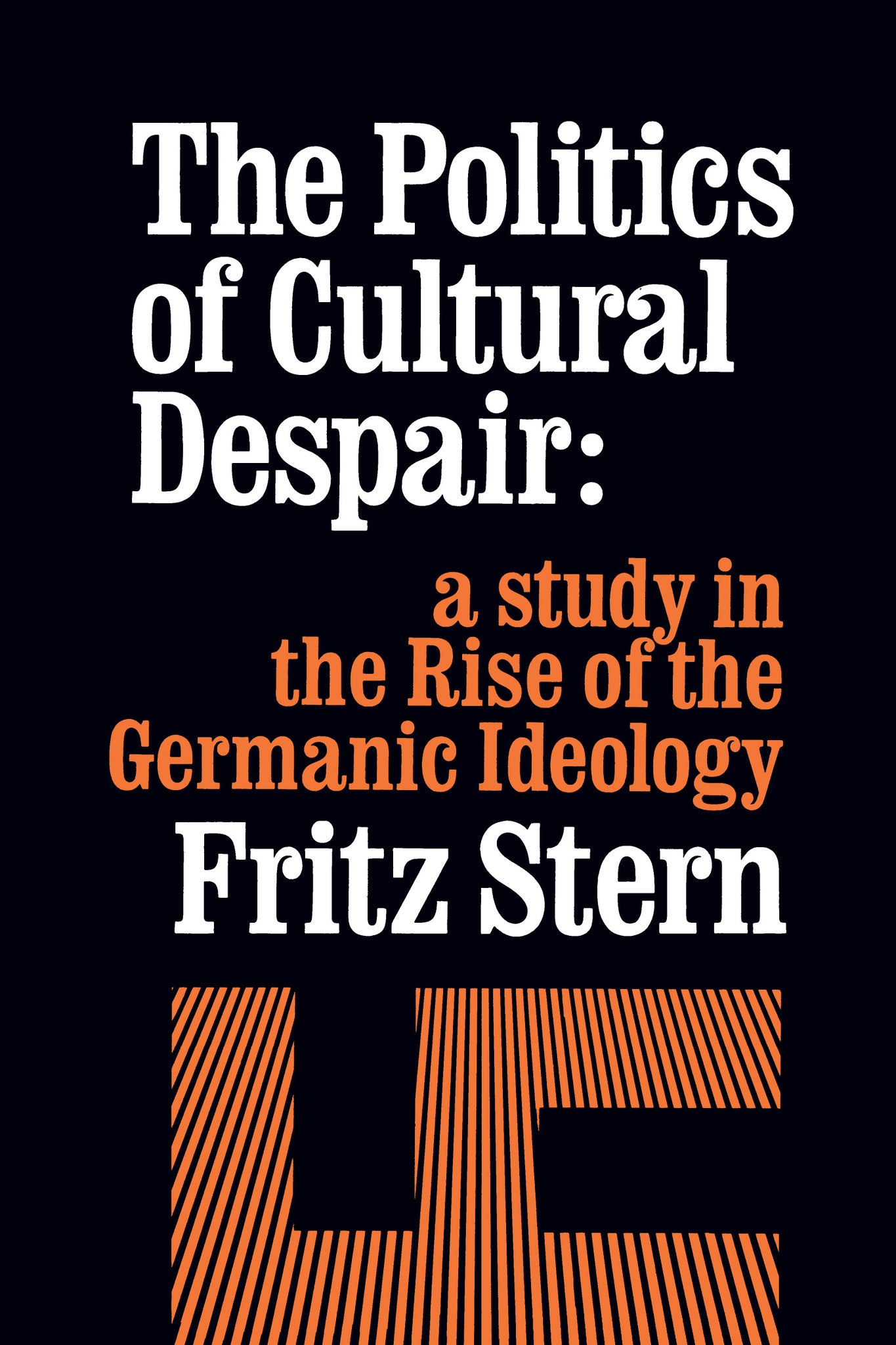
This is a study in the pathology of cultural criticism. By analyzing the thought and influence of three leading critics of modern Germany, this study will demonstrate the dangers and dilemmas of a particular type of cultural despair. Lagarde, Langbehn, and Moeller van den Bruck-their active lives spanning the years from the middle of the past century to the threshold of Hitler's Third Reich-attacked, often incisively and justly, the deficiencies of German culture and the German spirit. But they were more than the critics of Germany's cultural crisis; they were its symptoms and victims as well. Unable to endure the ills which they diagnosed and which they had experienced in their own lives, they sought to become prophets who would point the way to a national rebirth. Hence, they propounded all manner of reforms, ruthless and idealistic, nationalistic and utopian. It was this leap from despair to utopia across all existing reality that gave their thought its fantastic quality.

Price: $34.95
Pages: 367
Publisher: University of California Press
Imprint: University of California Press
Publication Date:
07 October 1974
Trim Size: 8.25 X 5.50 in
ISBN: 9780520026261
Format: Paperback
BISACs:
Fritz Richard Stern is an American historian of German history, Jewish history, and historiography. He is a University Professor Emeritus and a former provost at New York's Columbia University.
Preface
Introduction
I. Paul de Lagarde and a Germanic Region
1. The Critic as Academician
2. The Idealism of Antimodernity
3. The Germanic Religion
4. The Germanic Nation
5. The Corruption of German Education
6. The Prophet Remembered
II. Julius Langbehn and Germanic Irrationalism
7. The Critic as a Failure
8. Art and the Revolt against Modernity
9. Art, Politics, and the Heroic Folk
10. Langbehm and the Crisis of the 1890's
III. Moeller van den Bruck and the Third Reich
11. The Critic as Exile
12. The Esthete's Turn to Politics
13. The Conscience of the Right
14. Toward the Third Reich
Conclusion: From Idealism to Nihilism
Notes
Acknowledgment
Bibliography
Index
Introduction
I. Paul de Lagarde and a Germanic Region
1. The Critic as Academician
2. The Idealism of Antimodernity
3. The Germanic Religion
4. The Germanic Nation
5. The Corruption of German Education
6. The Prophet Remembered
II. Julius Langbehn and Germanic Irrationalism
7. The Critic as a Failure
8. Art and the Revolt against Modernity
9. Art, Politics, and the Heroic Folk
10. Langbehm and the Crisis of the 1890's
III. Moeller van den Bruck and the Third Reich
11. The Critic as Exile
12. The Esthete's Turn to Politics
13. The Conscience of the Right
14. Toward the Third Reich
Conclusion: From Idealism to Nihilism
Notes
Acknowledgment
Bibliography
Index